
Why Every Homeowner in The Villages Needs an Electrical Safety Inspection This Year
Your home’s electrical system works behind your walls, above your ceilings, and beneath your floors every second of every day. Because you never see it, you probably assume everything functions perfectly. That assumption puts thousands of Central Florida homeowners at risk every year. Electrical hazards hide silently in aging wiring, overloaded panels, and deteriorating connections until they reveal themselves through a tripped breaker, a burning smell, or worse.
An electrical safety inspection pulls back the curtain on your home’s hidden infrastructure and exposes problems before they escalate. Whether you live in The Villages, Wildwood, Lady Lake, or Summerfield, a professional inspection delivers clarity, safety, and potentially significant savings.
What Happens During a Professional Electrical Inspection
A professional electrical inspection is a systematic, top-to-bottom evaluation of every component in your home’s electrical system. Here is what a licensed electrician examines and why each step matters.
Evaluating Your Electrical Panel’s Condition and Capacity
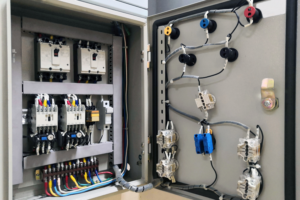
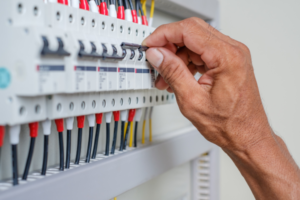
The inspection begins at the heart of your electrical system: the main panel. A licensed electrician examines the panel for signs of corrosion, overheating, loose connections, and moisture intrusion. They verify that the panel’s amperage rating matches your home’s actual electrical demand. Many homes in The Villages were built with 100-amp panels that struggle to support modern air conditioning systems, pool equipment, electric vehicles, and smart home technology.
Testing Every Outlet, Switch, and Connection
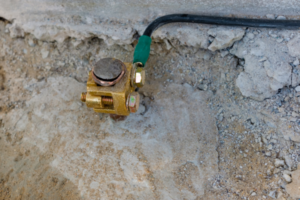
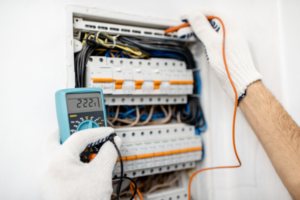
The electrician methodically tests each outlet and switch throughout your home using specialized diagnostic equipment. They check for proper polarity, adequate grounding, GFCI functionality in wet areas, and AFCI protection in bedrooms and living spaces. Faulty outlets that appear to work normally can still harbor dangerous wiring errors that create shock hazards and fire risks invisible to the naked eye.
Inspecting Wiring Condition and Code Compliance
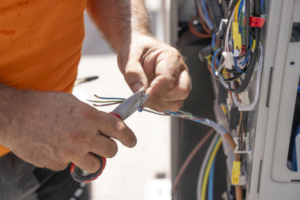
Your home’s wiring tells a story about its history. Original wiring, unpermitted additions, and previous repairs all leave evidence that a trained electrician can interpret. The inspection identifies outdated wiring types (such as aluminum branch wiring or knob and tube remnants), improper splices, missing junction box covers, and code violations that compromise safety. Homes built before 2000 frequently contain at least one significant wiring issue that current electrical codes would prohibit.
Common Electrical Hazards Found in Central Florida Homes
Even well-maintained homes can harbor hidden electrical hazards, especially in a climate as demanding as Central Florida’s. These are the issues professional inspections uncover most frequently in the region.
Overloaded Circuits and Undersized Panels
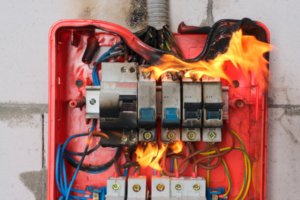
Florida’s intense heat forces air conditioning systems to run aggressively for eight months or more each year. This continuous draw, combined with pool pumps, water heaters, kitchen appliances, and charging devices, frequently overwhelms older electrical panels. An overloaded panel generates excessive heat at connection points, accelerates wear on breakers, and increases the likelihood of a fire starting inside the panel enclosure itself.
Missing or Malfunctioning GFCI and AFCI Protection
Ground Fault Circuit Interrupter outlets prevent electrocution in kitchens, bathrooms, garages, and outdoor areas. Arc Fault Circuit Interrupter breakers detect dangerous arcing conditions that standard breakers miss. Many older homes in The Villages lack adequate GFCI coverage, and very few have AFCI protection installed. Both technologies save lives and prevent fires, and both require professional installation and periodic testing.
Deteriorating Connections in Florida’s Harsh Climate
Central Florida’s combination of extreme heat, high humidity, and salt air (even inland) accelerates the deterioration of electrical connections. Copper oxidizes, aluminum expands and contracts, and terminal screws loosen over time. Each degraded connection creates resistance, generates heat, and becomes a potential ignition point. Florida homes face this environmental challenge at a higher rate than homes in drier, cooler climates.
When to Schedule Your Electrical Inspection
Timing your electrical inspection wisely ensures you catch problems at the right moment and avoid scheduling during the busiest, most stressful periods of the year. Several factors can help you determine the ideal time to call.
Milestone Events That Trigger an Inspection Need
Certain life events should automatically prompt an electrical inspection. These include purchasing a new home, beginning a major renovation, adding a room or outdoor structure, installing a pool or hot tub, adding an electric vehicle charger, or recovering from a lightning strike or major storm. Each of these events changes your electrical system’s demands or exposes it to unusual stress.
Age-Based Inspection Recommendations
Industry experts recommend a professional electrical inspection every three to five years for homes less than 25 years old. Homes older than 25 years benefit from inspections every one to three years due to the increased likelihood of wiring degradation and code changes that affect safety. If your home has never received a professional electrical inspection, scheduling one immediately eliminates the uncertainty about the condition your wiring truly holds.
Seasonal Timing for Florida Homeowners
The best time to schedule an inspection in Central Florida falls during spring (March through May) or fall (October through November). These shoulder seasons place less demand on your air conditioning system, making it easier for the electrician to test circuits under normal conditions. Scheduling before hurricane season also ensures your electrical system can handle the stress of storms, outages, and generator connections.