Why a Generator Transfer Switch Matters More Than the Generator Itself
A backup generator gives homeowners confidence during hurricane season and summer storms. But the generator itself is only half of the equation. Without a proper transfer switch, connecting a generator to your home is either dangerous or ineffective.
Many homeowners focus on generator size, fuel type, and brand while overlooking the device that actually connects that power to their home. Understanding the role of a transfer switch helps you make a safer and more reliable backup power plan.
What a Transfer Switch Actually Does
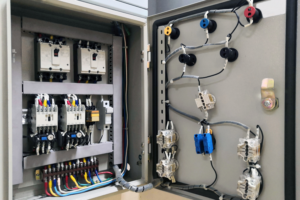
A transfer switch is an electrical device that safely connects a generator to your home’s circuits. When utility power is available, the switch keeps generator power isolated. When the utility goes out, the switch transfers selected circuits to the generator.
This isolation is critical. Without it, generator power can backfeed into utility lines, creating a deadly hazard for utility workers and neighbors.
Why Backfeeding Is So Dangerous
Backfeeding happens when electricity flows from a generator out through your home’s main breaker and into the utility grid. This energizes power lines that utility workers expect to be dead. It can cause electrocution, fires, and serious legal liability.
Using extension cords to power individual devices avoids backfeeding, but it is limited and inconvenient. A transfer switch is the only safe way to power hardwired systems like HVAC, well pumps, refrigerators, and lighting.
Manual vs Automatic Transfer Switches
There are two main types of transfer switches, and each serves a different need.
Manual Transfer Switches
A manual switch requires the homeowner to start the generator and flip the switch to transfer power. These are simpler and less expensive, but they require someone to be home during the outage.
Automatic Transfer Switches
An automatic switch detects the power outage and transfers circuits to the generator without any action from the homeowner. When utility power returns, it switches the home back to grid power. These are ideal for homeowners who travel or want seamless protection.
Choosing Which Circuits to Back Up
Most homes cannot run everything on a portable generator at once. A transfer switch allows you to select the circuits that matter most.
Essential Circuits
Refrigerators, freezers, medical equipment, security systems, and a few lighting circuits are typically prioritized. These keep food safe, maintain security, and provide basic comfort.
Comfort Circuits
Depending on generator size, homeowners may also power HVAC systems, water heaters, and entertainment equipment. The right balance depends on the generator capacity and the family’s needs.
Professional Installation Is Non-Negotiable
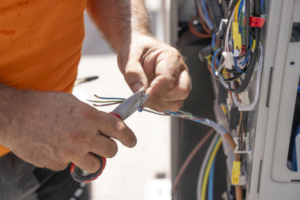
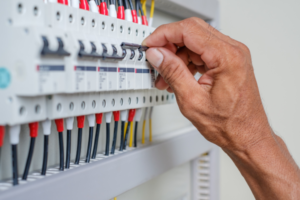
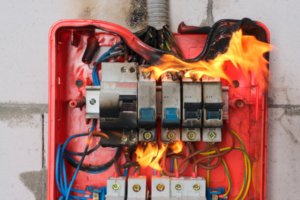
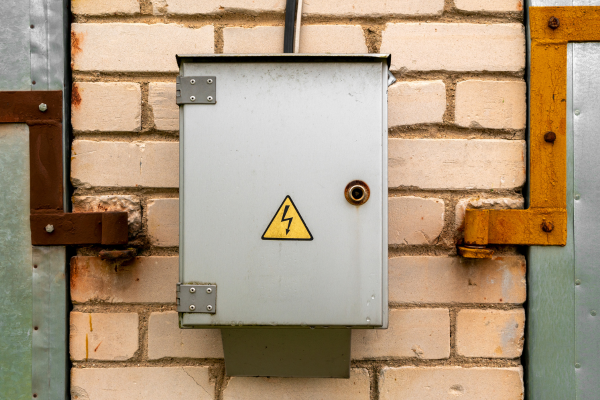
Transfer switch installation involves working at the main electrical panel and coordinating with the generator connection. Mistakes can create fire hazards, code violations, and warranty problems.
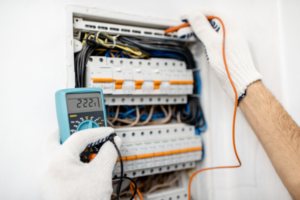
A licensed electrician ensures the switch is properly sized, correctly wired, and installed according to local codes. They also verify that the generator and panel can handle the selected load safely.
The Real Value During an Outage
When the power goes out, the value of a properly installed transfer switch becomes obvious immediately. There is no fumbling with extension cords, no guessing which outlets work, and no risk of backfeeding. The home transitions to backup power cleanly and safely.
For homeowners in The Villages, where summer storms and hurricane-related outages are a real concern, this setup provides security and comfort when it matters most.
If you are considering backup power for your home, learn more about our new electrical installations and how a transfer switch can complete your generator system.