How to Plan Your Home’s Electrical System for Smart Technology Without Overloading Circuits
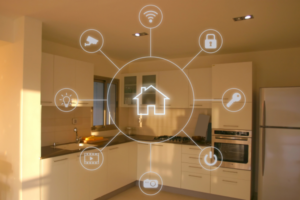
Smart home technology is no longer futuristic. Homeowners in The Villages are adding smart thermostats, video doorbells, automated lighting, voice assistants, security cameras, motorized blinds, and connected appliances at a rapid pace. Each device seems small on its own. But collectively, they create electrical demands that many older homes were never designed to handle.
The difference between a smart home that works flawlessly and one plagued by tripping breakers, flickering lights, and unreliable connections often comes down to how the electrical system was planned before the technology was installed.
Why Smart Homes Need Electrical Planning
Smart devices do not use enormous amounts of power individually. A single smart plug draws minimal current. But the cumulative effect of dozens of devices, plus the networking equipment that connects them, adds meaningful load to circuits that may already be near capacity.
More importantly, smart devices often share circuits with high-draw appliances. When the air conditioner kicks on, and the circuit is also powering a smart hub, security cameras, and a connected speaker system, the combined draw can exceed the circuit’s rating.
The Common Problems That Arise Without Planning
Homeowners who add smart technology without electrical planning frequently encounter predictable issues.
Circuit Overloading
Adding devices to existing circuits pushes them past their rated capacity. This causes breaker trips that disconnect not just the smart devices but everything else on that circuit.
Voltage Drop Issues
Long circuit runs with multiple devices experience voltage drop, which causes smart devices to malfunction, reset, or lose connectivity. This creates the frustrating “smart home that isn’t smart” experience.
Network Equipment Power Instability
Routers, mesh nodes, and smart hubs need stable, uninterrupted power. Sharing circuits with appliances that cause voltage fluctuations can reset network equipment and disconnect the entire smart home system.
Insufficient Outlet Placement
Smart technology requires power in locations that traditional home design never anticipated. Security cameras need outdoor outlets. Smart blinds need power at window headers. Devices need outlets behind furniture and in closets.
What Proper Smart Home Electrical Planning Includes
A well-planned smart home electrical system anticipates both current devices and future additions.
Dedicated Circuits for Network Infrastructure
Your internet router, network switch, and mesh nodes should be on a dedicated circuit that is not shared with any high-draw appliance. This ensures they receive stable power and your entire smart system stays connected.
Strategic Outlet Placement
Planning outlet locations for cameras, sensors, smart displays, and charging stations before walls are closed eliminates the need for extension cords and power strips that create hazards and look messy.
Circuit Load Assessment
A professional evaluates the current load on every circuit in the home and identifies where additional capacity is needed. This prevents the trial-and-error approach of plugging things in until a breaker trips.
Future-Proofing for Additional Technology
Smart home technology evolves rapidly. Professional planning includes spare capacity and strategically placed outlets that accommodate devices that do not exist yet. This is far cheaper than opening walls later.
The Electrical Panel Connection
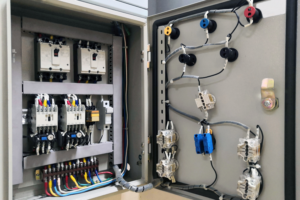
Many homes in The Villages were built when electrical demands were far lower than today. Panels that were adequate for the original home may not have enough circuits or total capacity for a fully connected smart home.
A panel upgrade provides additional circuit spaces and increased amperage that gives your smart home room to grow without overloading the system.
Why Dedicated Circuits Matter for Smart Homes
A dedicated circuit serves only one purpose. It does not share capacity with other devices. For smart home applications, dedicated circuits ensure that critical systems remain powered and stable regardless of what else is happening in the house.
Home Office and Entertainment
Many Villages homeowners work from home or have elaborate entertainment systems. These high-value setups deserve dedicated circuits that prevent interruption from other household loads.
Security Systems
Security cameras, alarms, and smart locks protect your home. They should never be on circuits that might trip and leave your home unprotected.
EV Charging Integration
As electric vehicles become more common, integrating EV charging with smart home systems requires careful planning to prevent the charger’s high draw from affecting other circuits.
The Value of Professional Planning
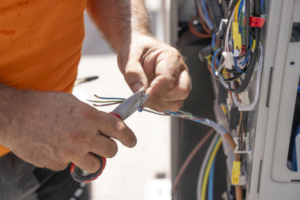
Smart home technology promises convenience. Without proper electrical planning, it delivers frustration. A licensed electrician who understands both electrical systems and smart technology integration can design a system that works reliably from day one and accommodates growth over time.
Professional new electrical installations include the circuit planning, outlet placement, and panel evaluation that smart homes require to function as intended.
Build the Foundation Before the Technology
The smartest smart home starts with the electrical system, not the devices. Plan the circuits, the outlets, and the capacity first. Then add technology to a foundation that can support it reliably. This approach prevents the costly cycle of adding devices, experiencing problems, and calling for repairs that proper planning would have eliminated.