Why Modern Kitchens in The Villages Need Dedicated Electrical Circuits
The kitchen is the most electrically demanding room in your home. It is also the room where most homeowners first notice their electrical system is not keeping up. Breakers trip when the microwave and toaster run simultaneously. Lights dim when the refrigerator compressor kicks on. The garbage disposal causes a momentary blackout on the counter outlets.
These are not random problems. They are symptoms of a kitchen wired for appliances from 30 years ago trying to power today’s appliances. Understanding why dedicated circuits matter and which appliances need them helps homeowners address the root cause rather than live with daily frustration.
What a Dedicated Circuit Is
A dedicated circuit is a circuit that serves only one appliance or one specific purpose. It runs from the electrical panel to a single outlet or connection point and is not shared with any other device. This guarantees that the appliance receives full, uninterrupted power without competing for capacity.
Why Kitchens Outgrow Shared Circuits
Kitchens built even 20 years ago were designed for significantly fewer electrical demands. The appliances were fewer, smaller, and less powerful.
Modern Appliance Power Demands
Today’s kitchens include refrigerators with digital controls and ice makers, high-wattage microwaves, induction cooktops, garbage disposals, dishwashers with heated drying, instant hot water dispensers, and countertop appliances that draw substantial power.
Multiple Appliances Running Simultaneously
A kitchen circuit that handled a coffee maker and a toaster in 1995 cannot handle those same appliances plus a microwave, electric kettle, and stand mixer all running during meal preparation in 2026.
Code Requirements Have Changed
Current electrical code requires dedicated circuits for specific kitchen appliances. Homes built before these requirements were adopted may not meet modern standards, which creates safety and convenience problems.
Which Kitchen Appliances Need Dedicated Circuits
The National Electrical Code and common practice require dedicated circuits for several kitchen items.
Refrigerator
A refrigerator draws significant power when its compressor cycles. A dedicated 20-amp circuit ensures it operates reliably without voltage fluctuations from other devices.
Dishwasher
The dishwasher’s heating element, pump, and motor draw substantial current. Sharing a circuit with other appliances risks tripping during the wash cycle.
Microwave
Countertop and over-the-range microwaves draw 1,000 to 1,500 watts. They require their own 20-amp circuit to operate without affecting other kitchen devices.
Garbage Disposal
Though its draw is brief, a garbage disposal’s startup current is high. A dedicated circuit prevents momentary voltage drops that affect nearby outlets.
Electric Range or Cooktop
Electric ranges require a dedicated 240-volt circuit sized for their specific power requirements. This is typically 40 to 50 amps.
The Countertop Circuit Requirement
Beyond dedicated circuits for individual appliances, code requires at least two separate 20-amp small appliance circuits serving kitchen countertop outlets. These circuits handle the rotating variety of countertop appliances used during cooking and food preparation.
Having only one shared circuit for all countertop outlets guarantees overloads during busy meal preparation when multiple devices operate simultaneously.
How to Know if Your Kitchen Needs Upgrades
Several symptoms indicate that your kitchen’s electrical system is outdated.
Breakers Trip During Cooking
If you consistently trip a breaker when running multiple kitchen appliances, circuits are overloaded. This is the most common and most obvious sign.
Lights Dim When Large Appliances Start
Momentary dimming when the refrigerator, microwave, or disposal starts indicates shared circuits that cannot handle the combined load.
You Rely on Power Strips or Extension Cords
If your kitchen depends on power strips or extension cords to reach enough outlets, the original wiring did not anticipate current demands. This is also a fire hazard.
Outlets Feel Warm
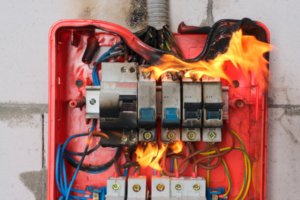
Warm outlet covers indicate that the circuit is carrying more current than it should. This generates heat that degrades connections and creates fire risk over time.
The Upgrade Process
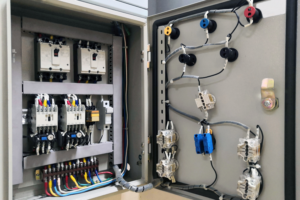
Adding dedicated circuits to an existing kitchen requires running new wiring from the panel to the kitchen.
Panel Capacity Assessment
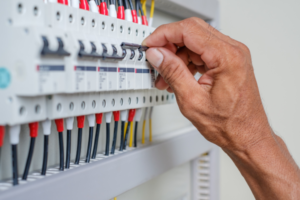
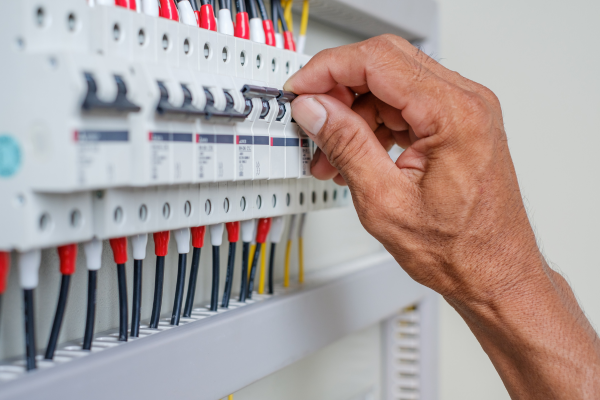
Before adding circuits, the panel must have available spaces and sufficient total amperage. If not, a panel upgrade may be needed first.
Wire Routing
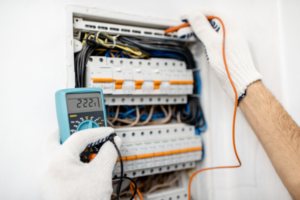
New circuits require routing wire from the panel through walls, attics, or crawl spaces to reach the kitchen. A licensed electrician determines the most efficient and least disruptive path.
Outlet and Connection Installation
New dedicated outlets are installed at the appliance locations, properly grounded and protected as required by current code.
Professional electrical repair and installation services evaluate your kitchen’s current wiring, identify deficiencies, and design a circuit plan that handles today’s demands with room for tomorrow’s additions.
Stop Fighting Your Kitchen Every Day
A kitchen that trips breakers during dinner preparation is not just inconvenient. It is telling you that the electrical system cannot safely handle what you are asking of it. Dedicated circuits solve that problem permanently, providing reliable, safe power to every appliance without the daily frustration of overloaded circuits.