Why Lady Lake Homeowners Should Upgrade Their Electrical Panels Before Hurricane Season
Hurricane season runs through November 30, and Lady Lake sits close enough to the storm tracks that outages arrive every year. The electrical panel decides how a home weathers a storm. An outdated panel can turn a manageable power outage into an electrical hazard, and the upgrade decision should come before the season peaks, not after the first named storm forms.
What Hurricane Season Exposes in an Aging Electrical Panel
Storm outages, voltage fluctuations, and restoration surges all pass through the panel. An aging panel fails exactly when the home needs it most.
The Warning Signs a Panel Shows Before It Fails Under Storm Load
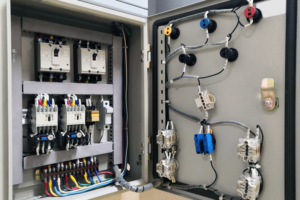
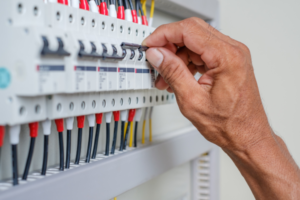
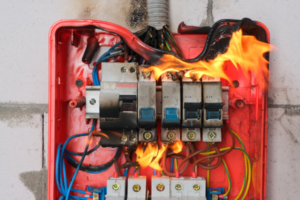
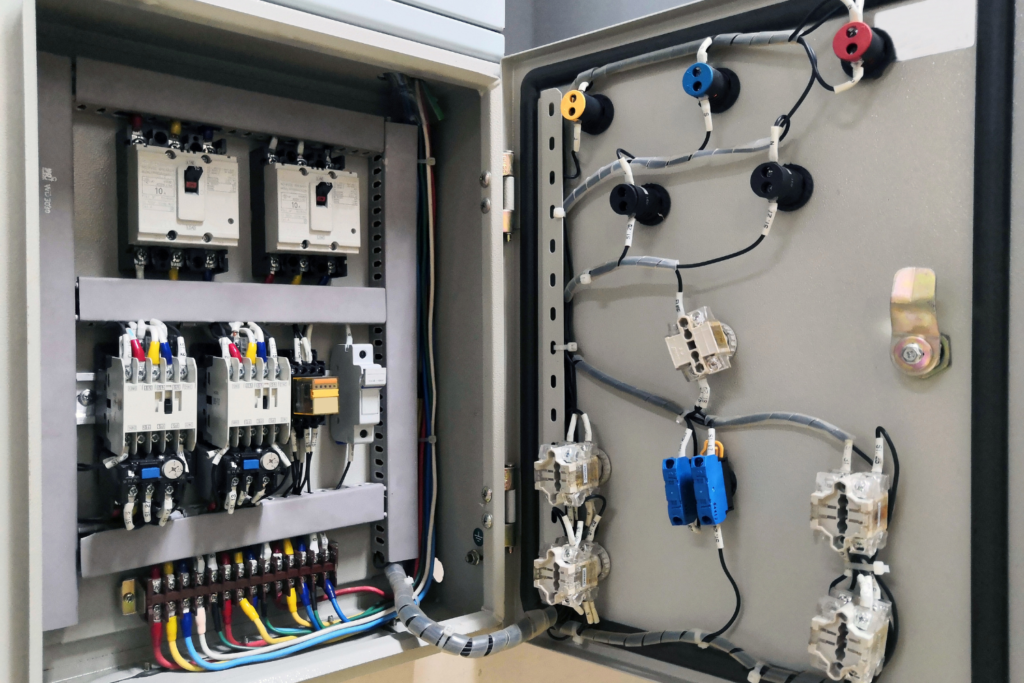
Many homeowners ignore the signals an existing panel sends. Repeatedly tripping breakers, lights that flicker when the air conditioning starts, warm surfaces on the panel door, and buzzing behind the wall all point to trouble. Corrosion on the breakers matters even more in Florida homes, where humidity works on electrical equipment year-round. Panels manufactured by Federal Pacific Electric deserve special attention because their breakers have a documented history of failing to trip during an overload. A homeowner who inspects the panel before severe weather arrives can spot the failure points a storm would exploit.
Why Outdated Wiring and an Undersized Panel Fail Together
In an older home, the wiring and the panel age as a pair. Degraded wiring insulation and an undersized panel multiply each other’s weaknesses during voltage swings. When the grid flickers and restores power, the surge travels through wiring that was never rated for modern electrical loads, and the damage shows up in every appliance and electronic connected to it. Homeowners purchasing an older home in Lady Lake should treat the panel as the first question, not the last.
How a Panel Upgrade Protects Your Home When the Storm Hits
A modern electrical panel does three things an old one cannot: manage loads cleanly, trip faster on faults, and carry the capacity a storm demands.
What a Modern Panel Does During an Outage and the Restoration Surge
The moment of greatest electrical damage risk is not the outage itself. It is the restoration, when power lines reenergize and voltage spikes race through the neighborhood. An upgraded electrical panel with current code breakers responds to those faults in milliseconds and helps protect your family from the electrical fires that follow. Pairing the panel with a surge protection layer extends that defense to every circuit in the house.
The Capacity a Florida Homeowner Actually Needs at 200 Amps
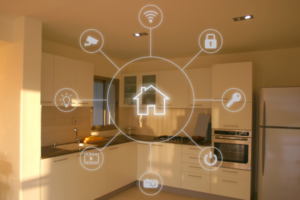
Older Lady Lake homes often carry 100 amp electrical service or less, built for an era with fewer appliances. A modern home runs air conditioning, refrigeration, an HVAC system, medical devices, smart home devices, and increasingly an EV charger. A panel upgrade to 200 amps ensures your home can carry those electrical loads without chronic overloads. Capacity is the difference between riding out a storm and overloading the system when everything runs at once.
Why the Panel Decides Whether Backup Power Works at All
A panel upgrade and a generator are a paired decision. The panel determines whether backup power works when the grid fails.
The Generator Transfer Switch Starts at the Panel
A standby generator connects through a transfer switch, and the transfer switch integrates at the panel. An undersized or outdated existing electrical panel complicates the installation or forces unsafe workarounds, like the extension cords homeowners run through windows to connect a portable generator. That workaround kills. A proper transfer switch and a sized panel remove the temptation entirely, and transfer switch installation explains why the two projects belong on one schedule.
Where Whole-Home Surge Protection Mounts and What It Saves
Whole-home surge protection mounts directly at the panel, which makes the upgrade the enabling decision. The device shields every appliance, the HVAC system, and every smart home device in the house from the surges that follow an outage. Installing it on a failing panel is like fitting a new lock to a rotten door.
The Cost of Waiting Until the Storm Is Named
Timing is the hidden variable in the price of a panel upgrade. The same job carries a different cost, timeline, and stress level depending on when the homeowner schedules it.
Why Emergency Panel Work During Hurricane Season Costs More and Takes Longer
Every homeowner in central Florida calls at once when severe weather is in the forecast. Emergency electrical work during hurricane season carries longer waits, permit backlogs, and repair pricing that reflects the rush. A panel upgrade scheduled in calm weather happens on a normal timeline with a normal permit process. Waiting converts a planned upgrade into an emergency repair at the worst possible moment.
The Timeline That Gets the Upgrade Done Before the Season Peaks
A panel upgrade is not a same-week project. Between the inspection, the permit, the equipment order, and the installation day, the process takes weeks, and the calendar matters.
From Inspection to Permit to Installation on a Hurricane Season Clock
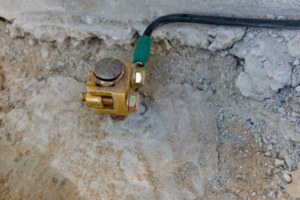
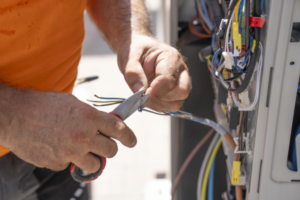
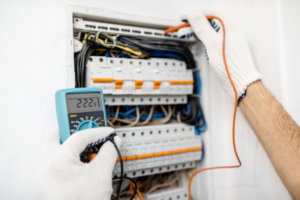
The sequence is simple. A professional electrical inspection covers panel condition, load calculation, wiring condition, grounding, and surge readiness. Then complete the panel upgrade, add the transfer switch and surge protection, and test the backup plan before the next storm forms. The 2026 Atlantic hurricane season has already proven that central Florida cannot count on a quiet year. A licensed electrician can tell you whether your panel is ready, and the panel is the first call because everything else in your home’s electrical system connects to it.