The Hidden Danger of Aluminum Wiring in Older Florida Homes
Many homes built in the 1960s and 1970s were wired with aluminum instead of copper. At the time, aluminum was cheaper and easier to obtain, so builders used it widely. Decades later, that decision has become a serious safety concern for homeowners.
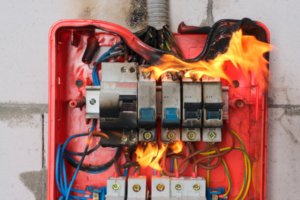
Aluminum wiring is not automatically dangerous, but it behaves differently than copper. When connections loosen or oxidize, they generate heat. That heat can damage outlets, switches, and fixtures, and in worst cases, it can start a fire. Understanding the risks helps homeowners make informed decisions about inspection and replacement.
Why Aluminum Wiring Fails Over Time
Aluminum expands and contracts more than copper when it heats and cools. This movement loosens connections at outlets, switches, and breaker terminals. A loose connection creates resistance, and resistance creates heat.
Over time, that heat damages the wire insulation and the devices themselves. The problem often develops slowly, which makes it easy to ignore until something serious happens.
The Warning Signs Homeowners Should Not Ignore
Aluminum wiring problems do not always announce themselves loudly. There are often subtle signs before a major failure.
Warm or Discolored Outlets and Switches
If an outlet cover feels warm or shows brown marks, heat is building up behind it. This is one of the most visible warning signs of a failing connection.
Flickering or Dimming Lights
Lights that flicker without explanation may indicate loose connections in the circuit. While flickering has many causes, it should never be ignored in a home with aluminum wiring.
Burning Smell or Buzzing Sounds
A persistent burning smell, especially near outlets or switches, is a serious warning. Buzzing or crackling sounds from electrical devices also suggest arcing or overheating.
Frequently Tripping Breakers
Breakers that trip often may be doing their job by shutting down an overheating circuit. However, repeated tripping is a sign that the underlying problem needs professional attention.
Why Pigtailing Is Not a Permanent Fix
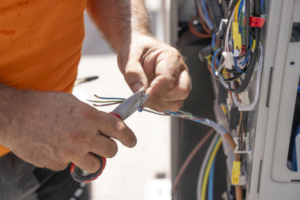
Some homeowners have heard of pigtailing, a method where a short piece of copper wire is connected to the aluminum wire with a special connector. When done correctly with approved connectors, this can improve safety at individual outlets and switches.
However, pigtailing does not address the aluminum wiring throughout the rest of the home. It is a targeted repair, not a whole-home solution. For homes with extensive aluminum wiring, replacement is often the safer and more reliable long-term option.
The Replacement Process
Replacing aluminum wiring is a significant project, but it is also one of the most impactful safety upgrades an older home can receive.
Full Home Assessment
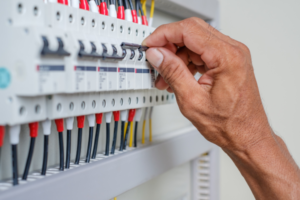
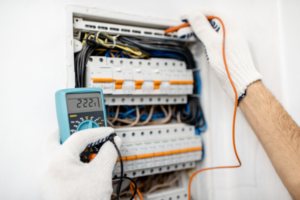
A licensed electrician inspects the entire electrical system to identify aluminum wiring, assess connection points, and locate any signs of damage or overheating.
Circuit by Circuit Replacement
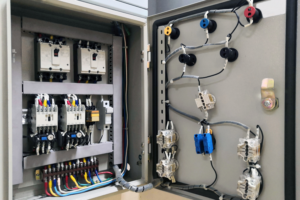
The old aluminum wiring is removed and replaced with modern copper wiring that meets current code standards. Outlets, switches, and fixtures are also inspected and replaced as needed.
Panel and Device Upgrades
In many cases, the electrical panel and breakers must be upgraded to handle the new wiring safely. This is especially true if the original panel is outdated or undersized.
The Peace of Mind That Comes With Copper
Copper wiring is the standard in modern construction because it is stable, durable, and conducts electricity efficiently. Replacing aluminum wiring with copper eliminates the expansion, oxidation, and connection problems that make aluminum risky.
For homeowners in older Florida communities, this upgrade is not just about convenience. It is about reducing fire risk and bringing the home up to modern safety standards.
If you suspect your home has aluminum wiring, schedule an inspection through our house rewiring services and learn whether replacement is the right choice for your property.